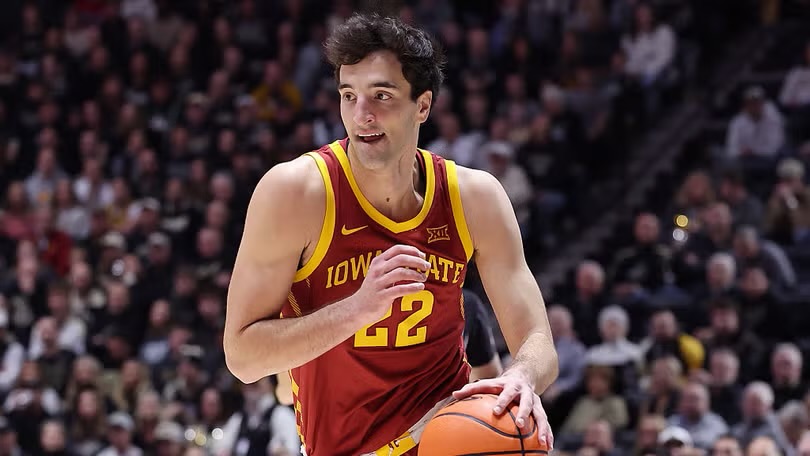
College basketball used to be built around development. Fans watched freshmen grow into sophomores, juniors, and eventually seniors who became the face of their programs. Rivalries felt more personal, team chemistry improved every season, and coaches had time to mold players into complete athletes. Today, however, the four-year college basketball player is becoming increasingly rare.
The modern era of college athletics has created a culture of constant movement. Between the transfer portal, NIL opportunities, and early professional aspirations, many players no longer stay at one school long enough to fully develop or build a lasting legacy. While player freedom is important, the sport is beginning to lose something valuable in the process.
The transfer portal has completely changed roster construction. Coaches now recruit their own players every offseason, hoping they do not leave for another opportunity. Players who once would have stayed and developed through adversity are now more likely to transfer after limited playing time or a disappointing season. As a result, rosters are rebuilt almost every year, making it difficult for teams to establish continuity.
NIL has also contributed to the shift. Student-athletes deserve the opportunity to profit from their name, image, and likeness, but the reality is that money has accelerated player movement. Programs with larger financial backing can attract experienced players from smaller schools, creating an unofficial free agency system in college basketball. Loyalty to a program has been replaced by short-term opportunities.
The impact is felt by fans as much as coaches. Supporters struggle to connect with players who may only stay for one season. The days of watching a player mature over four years and become a school legend are fading fast. Players like Tamin Lipsey at Iowa State Cyclones men’s basketball or Buddy Hield at Oklahoma Sooners men’s basketball became fan favorites because people had time to invest emotionally in their journeys. That connection is harder to build when rosters constantly change.
Coaches face a difficult balancing act as well. Instead of focusing primarily on player development, many staffs now spend the offseason recruiting transfers and retaining current players. Recruiting high school athletes has become less predictable because experienced transfer players often provide more immediate value. The long-term development model that once defined college basketball has shifted toward short-term roster management.
There are still benefits to the modern system. Players have more control over their careers, and athletes stuck in difficult situations now have opportunities to find better fits. Some transfers thrive after making a change, and NIL has allowed players to earn compensation they long deserved. But even with those positives, it is fair to question whether the sport has gone too far in sacrificing continuity and tradition.
The lack of four-year players has changed the identity of college basketball. Programs once built around patience and development are now driven by quick turnarounds and yearly roster overhauls. While the sport continues to evolve, many fans miss the emotional connection that came from watching players grow over time and leave a lasting legacy at one school.
College basketball is still exciting, but it feels different. The game has become faster, more transactional, and less stable. Unless changes are made to encourage roster continuity, the era of the four-year college basketball player may soon become little more than a memory.
 BradLaFratte.com
Leave a comment