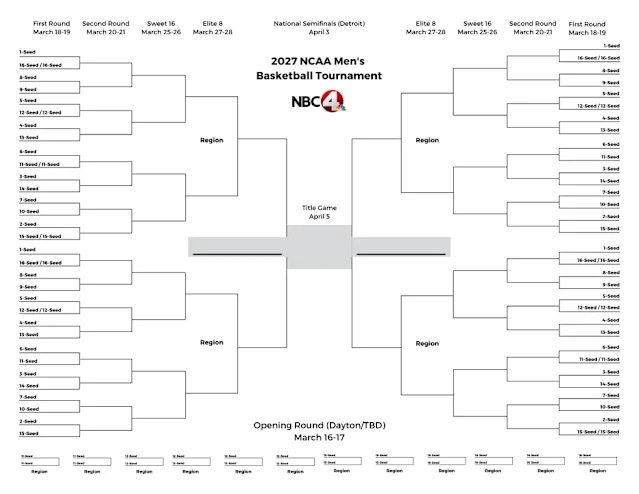
For decades, the magic of the NCAA Division I Men’s Basketball Tournament has been rooted in its balance—just enough teams to create chaos, but not so many that the chaos feels manufactured. The current 68-team format already pushes that balance to its edge. Expanding to 76 teams may sound like an inclusive, revenue-friendly idea, but it risks weakening the very elements that make March Madness special.
College basketball’s regular season matters because not everyone gets in. Bubble teams fight desperately in February and early March, knowing every win could be the difference between dancing or staying home. Expanding to 76 teams softens that urgency. Programs that once needed a strong resume might now sneak in with mediocrity, reducing the stakes of conference play and diminishing the importance of signature wins.
If more teams are guaranteed spots, fewer games feel like must-wins—and that chips away at one of the sport’s biggest advantages over professional leagues.
The tournament is supposed to showcase the best teams in the country. Adding eight more squads inevitably means including teams that are clearly outside that tier. While Cinderella stories are a hallmark of the tournament, they’re compelling because they’re rare and earned—not because the door was widened.
A 76-team bracket would likely feature more mismatches early on, reducing the overall quality of play. Blowouts become more common, and the drama of tightly contested games could give way to predictable outcomes.
Even now, the “First Four” games are often seen as an awkward compromise. Expanding the field would likely mean adding even more play-in games, creating a confusing and uneven structure. Instead of a clean, iconic bracket, fans would get a bloated opening round that feels more like a qualifying tournament than part of the main event.
The beauty of March Madness is its simplicity: fill out your bracket, survive and advance. Expansion complicates that formula.
One of the most beloved traditions in American sports is filling out a bracket. The current system—already stretched from 64 to 68—maintains a relatively clean structure. Expanding to 76 would almost certainly require further byes, uneven matchups, or a redesigned bracket format.
The more complicated the bracket becomes, the less accessible and engaging it is for casual fans. And casual fans are a huge part of what makes the tournament a national phenomenon.
The push for expansion is largely driven by revenue. More games mean more TV inventory, more ads, and more money for the National Collegiate Athletic Association. But short-term financial gains can come at the cost of long-term brand value.
March Madness thrives because it feels special—because not everyone gets in, because every game matters, and because the path to a championship is brutally selective. Expanding to 76 teams risks turning something elite into something excessive.
The tournament has already evolved from 64 to 68 teams. That change was manageable, even if not universally loved. But pushing it further to 76 crosses a line where the drawbacks begin to outweigh the benefits.
Sometimes, the hardest decision in sports is choosing not to change something that already works. In this case, preserving the integrity, excitement, and exclusivity of the NCAA Tournament is far more valuable than squeezing in eight more teams.
Because in March, less is what makes it more.
 BradLaFratte.com
Leave a comment